Showing posts with label face mask. Show all posts

Monday, February 5, 2018

What is Hispanic Skin care?

There is a stereotype of the Hispanic skin type as olive to dark brown, smooth, and maybe just a little oily. Like many stereotypes, this idea of what “Hispanic” skin should be has a connection to truth.


Hispanic skin care, like the skin care for any “race” of people is not a one size fits all proposition. There is no “latina skin type”. Latina skin varies widely and your needs will be unique. Like African Americans, Latinas skin color and type varies.

There's a reason so many brands are marketing products specifically to Latinas. Our skin is more prone to certain issues and need customized routines to keep it looking its best.


Here are some facts about the skin of Latinas:

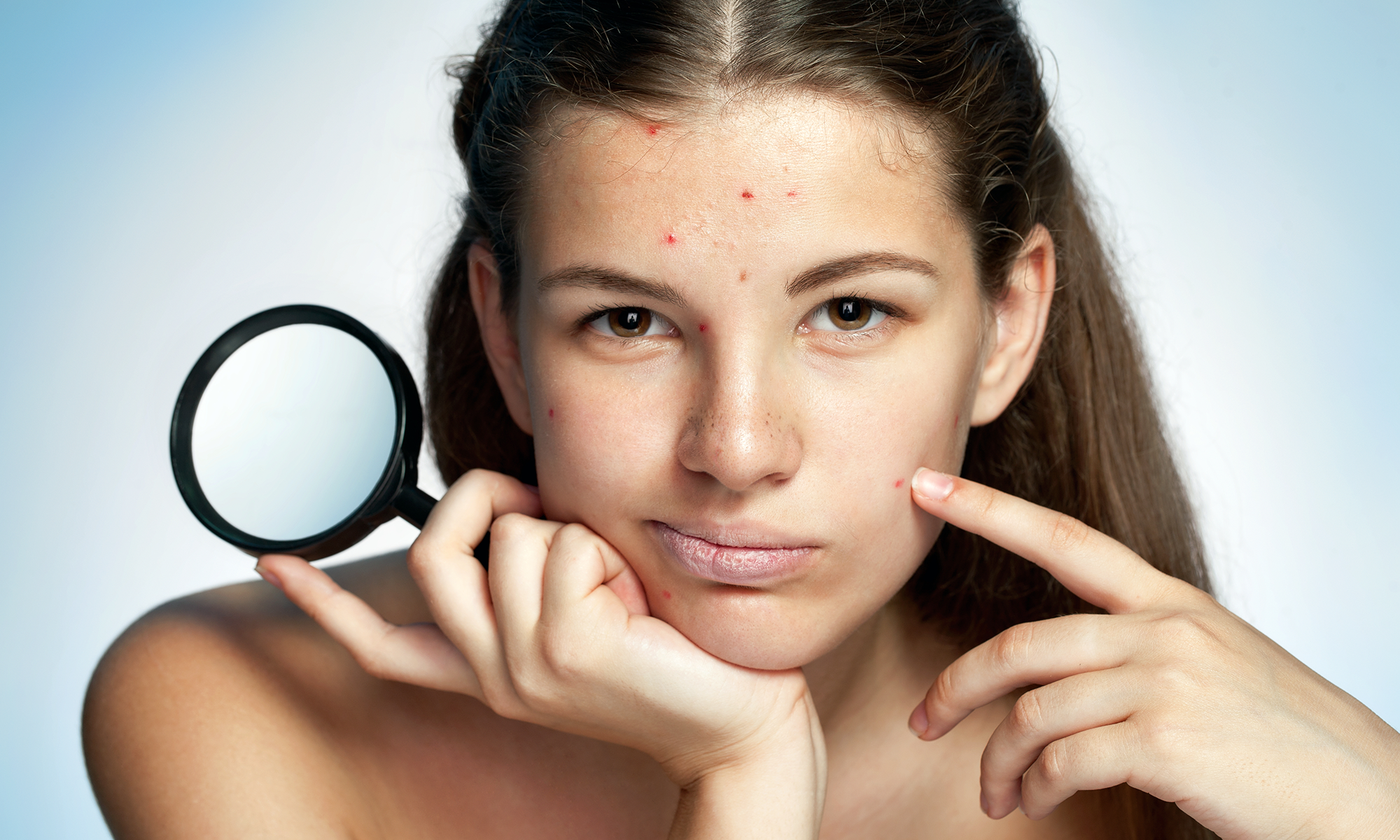
The Problem: They are more prone to acne.Because our skin is more likely to be oily, we're prone to acne and blemishes. The worst part about this is that it can last well past our teenage years.


In many Hispanics, two factors make hyperpigmentation worse. Especially in Mexico and the United States, many people of Hispanic heritage develop type 2 diabetes at a relatively young age, sometimes even as children. People who have type 2 diabetes tend to get darker and more widespread brown spots as acne heals.

Sunblocks are also a problem for Hispanics because of their effects on the body’s ability to make vitamin D. The darker the skin, the more sunlight it needs to make this essential vitamin that protects the body against, among other health problems, skin cancer. Many experts believe that one of the most important reasons skin cancer is on the rise throughout Central and South America is that more and more people are following doctor recommendations to use sunblock, which leads to vitamin D deficiency and increased vulnerability to skin cancer that is not triggered by exposure to sunlight, such as the deadly form of skin cancer known as melanoma.


Other dermatologists have noticed that more than any other ethnic group, Hispanics tend to get cystic acne. Many Hispanics who escape teenage acne develop cystic acne in their early 20’s, and the condition is very hard to treat without causing the inflammation that can permanently discolor the skin. In cystic acne, healthy but pink skin grows over pockets of bacterial infection that cause constant irritation to the skin but cannot be drained because the pore no longer exists.


Health and Beauty tips
2200 SW 16 ST Suite 224 Miami, FL 33145
Please “like” & share! Thank you!
I hope you’ve found some of my tips helpful!
FOR LIVE ACTION, FOLLOW ME ON SNAPCHAT: lizskincare 
INSTAGRAM: lizskincaremiami
BEST SKINCARE WISHES LIZ SKINCARE


Monday, January 15, 2018

Broken Capillaries

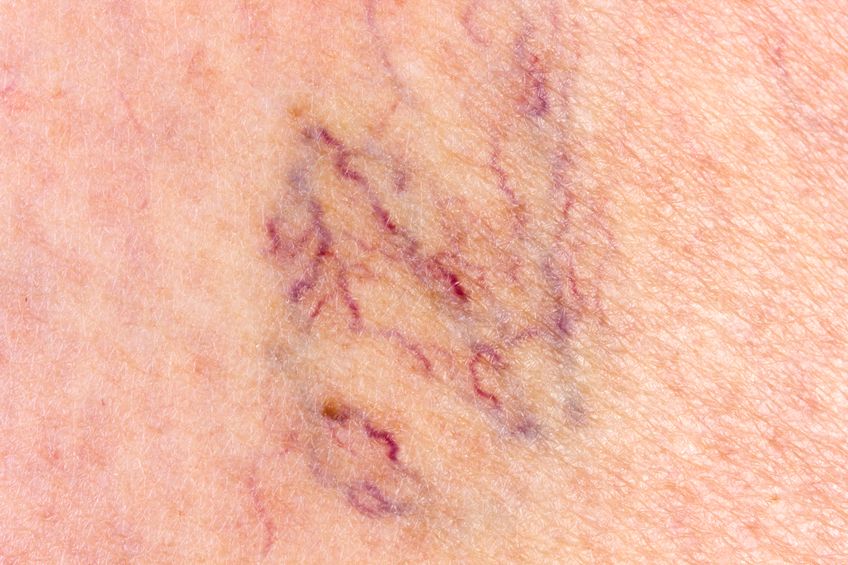
What are Broken Capillaries?  Broken capillaries are tiny veins that can appear through the skin on your face, legs and chest. Although these spidery, reddish blemishes don’t pose a serious health risk.


Broken capillaries, commonly known as spider veins, or by medical terminology telangiectasia, are tiny blood vessels that we see on the surface of the skin,” says Manhattan plastic surgeon Dr. Mark Schwartz. “Most of these blood vessels are capillaries which connect arteries and veins. Aside from the face, broken capillaries are also commonly found on the legs, especially at the ankles and knees.”
Related image


Key causes of broken capillaries
Broken blood vessels can be due to a number of different causes, the most common being damage to the skin from irritation, inflammation, and repeated exposure to the sun. While some causes are preventable, others are beyond control.  
Here a couple of possible causes for these marks to start appearing: 
Pregnancy: During this stage women commonly have a lot more blood flowing throughout the body which may lead to enlargement of the capillaries which ultimately leads to broken vessels or spider veins typically situated in the abdomen area. 
Leg Injuries: Broke Capillaries are apparent for people who suffer from elevated or reduced blood flow caused by leg injuries. People who spend a long time standing up and then followed by pronged sitting down or lying down are more susceptible.
Hormones: Women passing through menopause stage, pregnant women and children going through puberty may develop spider veins as their bodies try to adjust to changes in hormone levels.
Skin Damage: The skin region surrounding the face is more likely to suffer damages than other parts of the body, which is why it’s more common to find broken capillaries on the face. Spider veins may form due to facial skin damage caused by wind, changes in temperature and even glasses pressing on certain areas of the face. 
  Age: As we age, there are changes in the collagen of both the skin and the small capillaries, which may cause them to weaken and become more visible.
Effective Treatments for Broken Capillaries:
Laser Treatment: Lasers produce intense beams of light that are different colors and wavelengths that vary in their intensity and pulse duration. When undergoing treatment, a handpiece is held near your skin where it transmits the laser frequency. 


Image result for spider veins


Sclerotherapy: This treatment, used since the 1930s, entails a salt solution being injected into the affected veins, which subsequently cause them to collapse and stick together, clearing them from the legs


How can you prevent broken capillaries?“Wear sunscreen to protect your skin from the sun and to limit spider veins on the face,” says Dr. Mardirossian. “Exercise regularly to improve your leg strength, circulation, and vein strength. Focus on exercises that work your legs, such as walking or running. Control your weight to avoid placing too much pressure on your legs. And alternate the pressure on your legs when standing up for a long time.”


Related image


 The effects of makeup and facial treatments on broken capillaries: “Overly drying face washes or washes and wipes with harsh ingredients can irritate the skin, damage the epidermis and cause facial redness and swelling that may encourage new vessel growth,” “Grainy, exfoliating face scrubs can damage sensitive face skin, leaving it to heal and create new vessels. Picking and squeezing pimples and pores can break vessels and cause redness, too.”
This is a careful reminder that in the face area, it’s important to use gentle treatments that do not cause excessive trauma to the delicate skin. Using makeup on the other hand is perfectly fine. “I have never seen makeup cause spider veins,” In fact makeup has not been proven to cause spider veins, it can be used for temporary conceal them. 


Health and Beauty tips

2200 SW 16 ST Suite 224 Miami, FL 33145
Please “like” & share! Thank you!
I hope you’ve found some of my tips helpful!
FOR LIVE ACTION, FOLLOW ME ON SNAPCHAT: lizskincare 
INSTAGRAM: lizskincaremiami
BEST SKINCARE WISHES LIZ SKINCARE


Monday, December 25, 2017

Skincare for Teens.. Tips and Treatments

Got acne? Then you know there's no shortage of tips or products out there to help you control it. But sometimes they backfire and make your skin worse. The trick to is to learn what type of skin you have, the best way to clean it, and how to choose products that won't trigger a breakout.


Related image


The four main types are normal, dry, oily, and combination:

  • Normal Skin Care
    Normal skin has an even, smooth skin tone; soft texture; and no visible blemishes, red spots, or flaky patches. Pores are barely visible, and the skin surface is neither greasy nor dry. Normal skin has few imperfections because of the balanced amount of water and oil and good blood circulation. If your skin is normal, wash your face two to three times each day, with mild cleanser or plain soap and water, to remove dirt and sweat.
  • Dry Skin Care
      Dry skin is dull, rough, scaly, and itchy, with almost invisible pores. Dry skin is usually caused by an abnormal shedding of cells from the skin's outer layer. In normal situations, lubrication from the body's natural oils helps to prevent water loss from the skin.
 If you have dry skin, wash your face daily with a mild cleanser. This will help prevent your skin from becoming drier. Moisturize with a non-perfumed, non-alcohol-containing lotion after washing. Also, limit very hot showers, high temperatures, and low humidity, which rob your skin of moisture. Even using soap and excessive washing or scrubbing of the skin increases dryness. Many teens have drier skin during the winter months, when humidity is low and heaters force hot, dry air into enclosed rooms. 
  • Oily Skin Care
      Oily skin is acne-prone skin with open pores, a shiny complexion, blackheads, and pimples. Because hormones affect oil production, anything that affects your hormone levels may influence your skin. Some experts believe that stress, such as from exams or not getting enough sleep, may trigger outbreaks of acne. 
Image result for teen skincare

Many teens know that acne in itself creates added stress!  To keep oily skin clean, wash your face a three times a day with plain soap and water. If you need to cleanse your face at school, use an over-the-counter cleansing pad that helps dissolve oil and removes excess dirt from the skin surface. If you have pimples, never pop or squeeze them, which can spread the inflammation, worsen acne, and even cause scarring. Use cosmetics and other facial products that are "noncomedogenic," meaning they do not clog pores. Keep your hair off your face, and wash your hair daily to reduce oil.
  • Normal/Combination Skin Care

With normal/combination skin, you might have an oily "T-Zone" (forehead, nose, and chin) and dry skin elsewhere. The pores on your face are large, and the skin tends to have blackheads.
 Normal/combination skin can be either overly dry or excessively oily, while cheeks may appear rough. Depending on the time of year, the oiliness and dryness can change, too. The skin is usually drier when the weather is cold. 
If you have normal/combination skin, wash your face two or three times a day with plain soap and water to remove the excess oil. Moisturize dry areas, but not oily areas.
Related image


4 Simple Steps to Healthy Skin.

  • Cleanse
It's important to cleanse your skin daily to remove dirt, oil, and dead skin flakes. Washing your skin also rids the skin of excess oil, which can prevent acne. If you have oily or normal/combination skin, use a daily cleanser that contains salicylic acid; Salicylic acid is an anti-inflammatory agent and helps to remove dead skin cells. It controls oil production and increases hydration.
  • Hydrate/Moisturize

When you hydrate your skin, you simply add water, such as when washing your face or taking a bath. To moisturize your skin, you add water, oil, or both.
For most skin types, you should moisturize skin morning and evening, using a moisturizer that does not aggravate a skin problem. 
  • Treat

Many teens need to treat skin conditions such as acne, which occurs when pores on the surface of skin become clogged. This happens when oil glands produce too much oil, and pores get blocked with dirt, bacteria, and debris. Sometimes, moisturizers and greasy cosmetics contribute to the development of acne. Oils or dyes in hair products can worsen acne by blocking pores.  While soaps and astringents remove oil from the skin, they don't alter the oil production. Scrubbing the skin sometimes causes irritation, which triggers acne instead of resolving it. 
  • Protect

After cleansing your skin, protect it daily from the sun and other environmental factors. Use a moisturizing sunscreen with zinc oxide (at least 7%) and a SPF 30 for UVA and UVB coverage year-round. Wearing sunscreen with protective clothing, such as long-sleeved shirts, pants and wide-brimmed hats, while avoiding the sun's peak ultraviolet rays (from 10 a.m. until 2 p.m.), may provide some protection against premature aging and skin cancer.

Health and Beauty tips


2200 SW 16 ST Suite 224 Miami, FL 33145

Please “like” & share! Thank you!

I hope you’ve found some of my tips helpful!

FOR LIVE ACTION, FOLLOW ME ON SNAPCHAT: lizskincare 
INSTAGRAM: lizskincaremiami


BEST SKINCARE WISHES LIZ SKINCARE


Tuesday, August 2, 2016

Have you ever wondered why carrots are good for your skin, hair and nails?

How can carrots protect your skin? Well this is how...

Crunching on carrots is helpful in keeping your skin vibrant and healthy, as they are filled with antioxidants, vitamin C and vitamin A. It helps repair skin tissue and protects against the sun's harsh rays.
  • Mix grated carrot, or carrot juice, in a convenient and inexpensive face mask to get glowing skin instantly. 
  • You can also make a quick mask by grating a carrot and mixing it with honey.
  •  Apply it on the face for 15 minutes, and wash it off.

How can carrots keep your hair looking good? 

The Carrots in the hair mask I will give you the recipe too will stimulate hair growth, prevent hair breakage and make your hair healthy. 

  • Take one carrot and banana, peel the fruit. 
  • Cut them into small pieces and then add olive oil to this mixture. 
  • Blend the mixture in a blender with the help of curd to make a paste. The paste should not be thick if not it will be hard to remove
  • Apply this hair mask on hair for 30 minutes 
  • Wash off with regular shampoo 

How can carrots keep your nails healthy? 

Eating carrots regularly can improve the appearance of your nails. The high vitamin A content in carrots prevents nails from becoming dull and dry. You can eat either raw or cooked carrots or simply drink one glass of carrot juice daily to help your nails become strong and healthy.
  • Carrots take about 7 to 9 minutes to be cooked in water. 
  • Slice them into pieces 
  • Enjoy!

Raw carrots you can buy in any little market around you, you can get baby carrots or regular sized ones.
  • Get a bowl and slice the carrots 
  • Get some ranch sauce 
  • Dip and CRUNCH!!! 


Health and Beauty tips

Liz Skincare 

2200 SW 16 ST Suite 224 Miami, FL 33145

Please “like” & share! Thank you!

I hope you’ve found some of my tips helpful!

FOR LIVE ACTION, FOLLOW ME ON SNAPCHAT: lizskincare 
INSTAGRAM: lizskincaremiami

BEST SKINCARE WISHES LIZ SKINCARE


Thursday, December 17, 2015

Who needs botox when you have face mask


Who needs botox when you have a face mask? Many people might not know what a face mask is but I am here to explain how it works. A facial mask helps in many ways, increases hydration, gives an even skin tone, firmer skin, refines skin pores, and diminishes fine lines. Apart from all the great ways a facial mask can help you, applying a face mask may also help you to relax. You get some time to relax, maybe even drink a glass of wine while your face mask is doing it's job!. This face mask will have your face glowing and feeling hydrated. 

Face masks can be made at home with the help of some easily available ingredients from your kitchen. No matter which type of mask you choose to wear, keep in mind that it will hugely benefit your skin. 


Liz Skincare


Let me share one of my favorite recipes: 
Combine 1/2 cup hot—not boiling—water and 1/3 cup oatmeal. After the water and oatmeal have settled for two or three minutes, mix in 2 tablespoons of plain yogurt, 2 tablespoons of honey, and 1 small egg white. Add a thin layer of the mask to your face, and let it sit for 10 to 15 minutes. Then rinse with warm water. 

Liz Skincare
Liz Mesa

Image Slider